Wholesale prices direct from the exporter

Metal and electrical wire detector
An essential and versatile tool
2/16/20255 min read
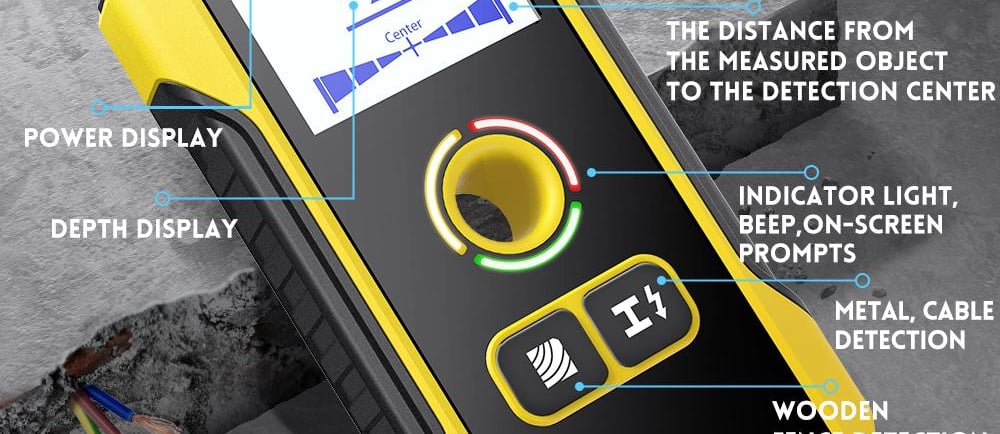
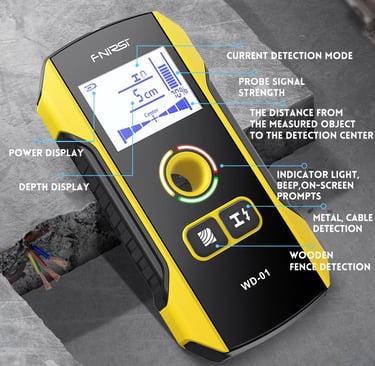
What is a metal and electrical wire detector?
A metal and electrical wire detector is a tool designed to identify the presence of metal and locate electrical wires underground or within walls. This device is widely used by both professionals and DIY enthusiasts due to its versatility and functionality across a range of applications. The essence of a metal detector lies in its ability to provide safety and accuracy during excavation or electrical installation work.
The operation of this equipment is based on physical principles, such as the use of electromagnetic fields to detect metallic objects. When the detector is activated, it emits a wave that propagates through the material in question. When this wave encounters a metallic object, it generates a return signal which is processed by the device, which emits an audible or visual signal, alerting the user to the presence of the object. This function is crucial in environments where the risk of damaging electrical wiring is significant, such as during renovations and construction work.
There are various types of detectors available on the market, ranging in complexity and features. Simpler models are suitable for domestic use, whilst professional versions offer a wider range of functions, such as the ability to distinguish between different types of metal and locate electrical wiring with greater precision. The popularity of this tool is growing as more people take on DIY projects and seek safe and effective ways to work with electrical and building structures.
As such, a metal and electrical wire detector becomes an essential tool, facilitating the safe and efficient completion of various tasks, as well as preventing potential accidents whilst working. The importance of this equipment in everyday life is undeniable, particularly when safety and efficiency go hand in hand.
Major applications
Metal and electrical cable detectors are versatile tools that play a vital role in a wide range of sectors. One of the most common uses of these devices is in the construction industry, where the precise location of hidden electrical cables and pipes is crucial. This not only helps to prevent damage during excavation work, but also contributes to worker safety by preventing accidents related to electricity. By choosing a metal detector, it is possible to identify these infrastructure elements effectively, ensuring that the construction work proceeds without a hitch.
As well as in the construction industry, metal detectors are frequently used in home renovations. When refurbishing spaces, such as when installing shelves or pictures, it is vital to avoid drilling into areas where electrical wiring may be present. This not only ensures the integrity of the existing structure, but also creates a safer environment for residents. Using a metal detector before drilling is a recommended practice to ensure no damage is caused. Otherwise, a small decorating idea could turn into a major problem and cost you a lot of money if you need to call in professionals to fix leaks or damaged wiring. In certain cases I have witnessed, all the wiring in a block of flats may be interconnected, and damaging it in one flat can cause problems throughout the entire building. Not only is the cost substantial, but it also creates unnecessary problems with neighbours. So, when in doubt, it is best to be safe, and with this tool we can avoid drilling into wires and pipes.
Another significant application is in excavation work, such as at archaeological sites or in landscaping projects. Here, metal detectors are essential for uncovering valuable metal objects or assessing the site before work begins. For hobbyists, such as treasure hunters, metal detectors offer a fun and exciting way to explore historic areas that may be rich in artefacts. It is important to remember that getting the most out of these tools involves a proper understanding of their functions and correct calibration, as well as following the manufacturer’s recommendations to ensure efficiency and accuracy.
How to choose the best detector
Choosing a metal and electrical wire detector is an important decision that can affect the effectiveness of your search and identification tasks. When considering the purchase of this type of equipment, you should take into account various criteria that directly influence its performance.
One of the most important factors is detection depth. Models vary considerably in terms of how deep they can detect metals. For those working in multi-layered environments, a detector with greater depth is essential. Furthermore, the device’s sensitivity affects its ability to detect not only large objects but also smaller items. It is therefore advisable to check the technical specifications of each product.
Ease of use is another key criterion. For beginners, an intuitive model with clear instructions makes operation easier. Some metal and electrical wire detectors offer user-friendly interfaces with digital displays, whilst others may be simpler, with basic buttons.
Portability should also be considered, especially if you need to transport the equipment to different locations. Lightweight and compact models are more practical for use in the field.
Price is a decisive factor for many people. Although there are metal detectors and electrical cables to suit all budgets, it is crucial not to compromise on quality for the sake of saving money. It is advisable to invest in a model that offers a good balance between cost and features. Finally, it is worth consulting comparisons between different brands and models available on the market. These reviews are useful for understanding which products stand out and guarantee satisfactory performance.
Care and maintenance of metal detectors and electrical cables
Proper maintenance of metal detectors and electrical cables is essential to ensure the longevity and efficient performance of these devices. To ensure that the device operates at its best, it is important to follow some regular care and maintenance practices. Firstly, cleaning is essential. Use a soft, dry cloth to remove any dirt that has accumulated on the surface of the detector. For more stubborn dirt, you can lightly dampen the cloth with water, avoiding the use of harsh chemicals that could damage the device’s components.
Proper storage also plays a crucial role in maintaining the detector. After use, the equipment should be stored in a dry place, protected from moisture, which can damage the electronic components. Furthermore, ensure the battery is disconnected during long periods of inactivity, as a flat battery can cause corrosion on the terminals.
Carrying out minor preventive maintenance is another important tip. This may include periodically checking electrical connections and cables, as well as testing the equipment to ensure it is working properly. If any faults arise, such as warning signals or unexpected behaviour, it is crucial to address these issues immediately. Common problems include a decrease in detection sensitivity or failure to read electrical wires. To resolve these issues, consult the user manual for calibration guidance or contact a qualified professional if a more extensive repair is required.
By following these care and maintenance guidelines, owners of metal and electrical wire detectors can maximise efficiency and extend the service life of their tools, ensuring they always operate effectively and accurately.
Look on Amazon
United Kingdom
Portugal