Wholesale prices direct from the exporter

Mastering Ethernet and LAN cabling management:
What to expect and how to do it properly
9/1/20242 min read
Introduction to Ethernet and LAN cable management
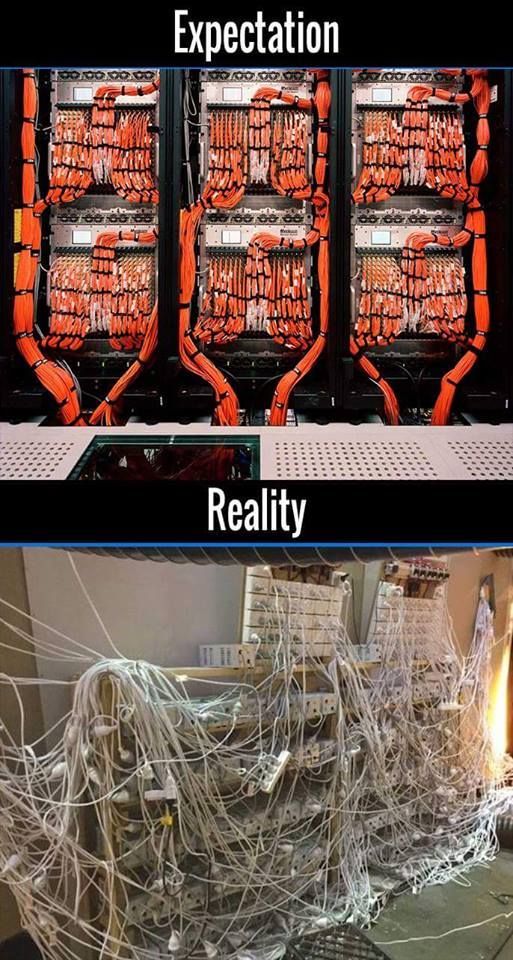
Efficient management of Ethernet and LAN cables is crucial for maintaining an organised and efficient network environment. Whether you are setting up a small home office network or managing an enterprise-level data centre, proper cable management can improve performance, simplify troubleshooting and extend the lifespan of your network equipment.
Why is cable management important?
Good cable management practices help to reduce network downtime by preventing accidental disconnections and ensuring safety. Poorly managed cables can lead to a tangled mess, making troubleshooting difficult and even posing potential risks, such as tripping hazards or fire risks. Furthermore, organised cabling improves airflow, reducing the risk of overheating and extending the lifespan of your hardware.
Essential tools and materials
Before getting started with cable management, it is essential to gather the necessary tools and materials. Basic equipment includes cable ties, Velcro strips, cable trays and labels. For a more advanced setup, consider investing in a structured cabling system and colour-coded cables to distinguish between different network segments.
Best practices for Ethernet and LAN cable management
Adhering to best practices ensures a clean and efficient network environment. Here are some essential tips:
Plan ahead: Assess the layout of your network area and plan your cable routing. Ensure that cables are the correct length and avoid unnecessary kinks or twists.
Label the cables: Labelling both ends of each cable simplifies identification and troubleshooting. You can use printed or coloured labels to indicate specific connections.
Use cable management accessories: Use cable ties, Velcro strips and cable trays to secure cables and prevent them from becoming loose. Velcro strips are particularly useful as they are reusable and adjustable.
Separate power and data cables: To avoid interference, keep power cables and Ethernet cables separate. Where possible, use different cable trays or ducts.
IImplementation: Step-by-step guide
Follow these steps for effective cable management:
1. Inventory assessment: Start by listing all devices and determining the number and type of cables required.
2. Cable routing: Plan the physical route of each cable, taking into account the shortest path that avoids obstacles and interference.
3. Installation: Lay the cables according to your plan. Use cable ties and straps to bundle and secure them along the route.
4. Labelling: When connecting each cable, label both ends to facilitate later identification.
5. Inspection: Double-check the connections and ensure that all cables are securely fastened. Test the network connections to confirm that everything is working correctly.
Conclusion
Proper management of Ethernet and LAN cables is a critical aspect of network configuration and maintenance. By following these guidelines and best practices, you can ensure a more reliable, efficient and secure network environment. Investing time in organising and managing your cables today can save you countless headaches and inefficiencies in the future.