Wholesale prices direct from the exporter

Do fibre-optic networks need a spring clean?
To clean or not to clean, that is the question...
3/30/20254 min read
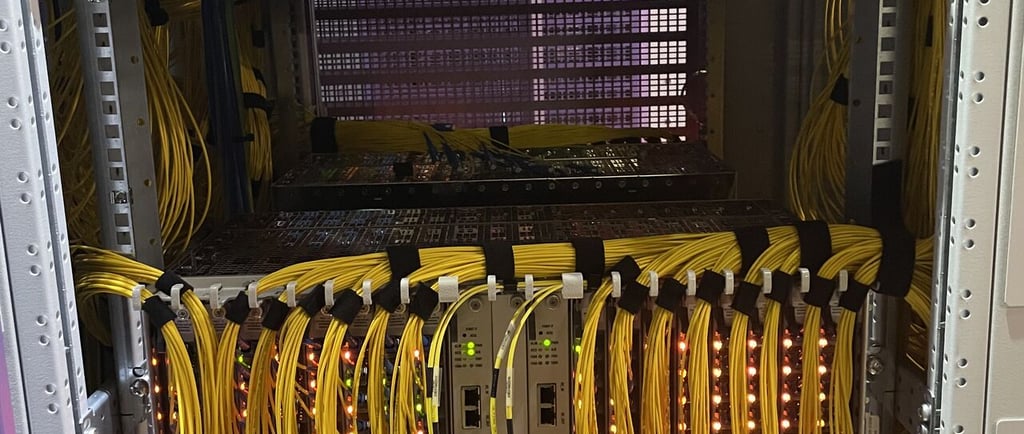
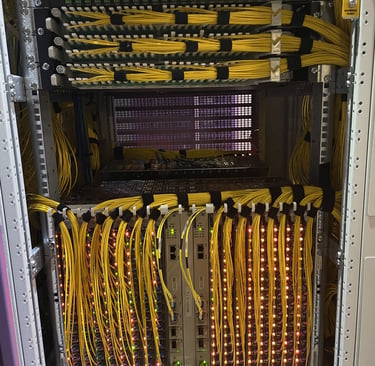
Spring cleaning
(Cleaning of fibre optic connectors)
As spring approaches in the Northern Hemisphere, a traditional activity emerges: ‘spring cleaning’. It is time to open the doors and air the place out, whilst cleaning everything that has been neglected over the winter.
The concept of spring cleaning has also been applied to fibre optics, but not in the right way. Occasionally, an article appears on the internet suggesting that spring is a good time to carry out routine maintenance on a fibre optic network. The problem is that fibre optic networks do not require routine maintenance. Cable installations must be installed correctly and should not be touched, except for changes, additions, modifications or troubleshooting. Disassembling a fibre optic connector for inspection and maintenance, as suggested by an article, merely creates an opportunity to contaminate that connection, not to mention causing the link to go down if the fibre is in use. “If it ain’t broke, don’t fix it” is sound advice.
However, cleanliness is very important in fibre optics. Dirty connectors are one of the biggest problems in fibre optics, causing high connector loss, high reflectance and contaminating transceivers and even other clean connectors if mated with them. Network operators claim that 15–50% of all network problems can be attributed to dirty connectors causing connection issues.
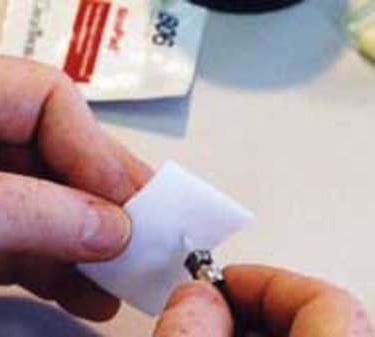
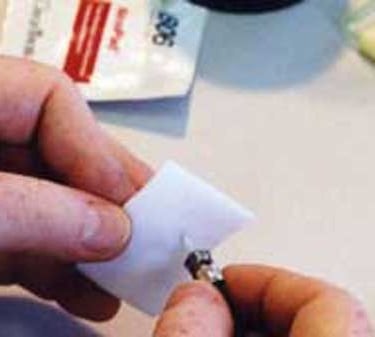
On one of our first visits to the premises of a fibre optic network user, many years ago, we saw a technician show us a Biconic connector and explain that the fibre was so small that it was very sensitive to dirt on the connector. Each connector needed to be cleaned before being mated, he explained, and demonstrated how he did it, wiping it on his shirt several times with a circular motion like this:
Although his intentions were good, his method—at least based on what we know now—was not. The T-shirt was neither clean nor lint-free. He probably added more dirt to the connector than he removed (pizza sauce?).
Connectors get dirty
Connectors can easily become dirty if the end of the plug is exposed to a dirty environment or if it is touched by a dirty surface (such as a fingertip):
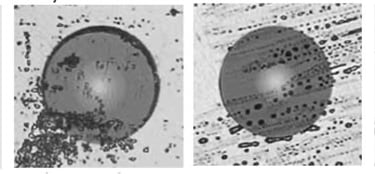
One connector ferrule is clean, whilst the other is dirty, has oily contamination and scratches
Connectors, even those on factory-made patch cords, can become dirty. The plastic protective caps on the connector ferrule can trap dirt (which is perhaps why they are called ‘dust caps’).
All connectors must be inspected, cleaned if necessary, and checked to ensure they have been cleaned properly before being mated with another connector or inserted into a transceiver port.
The evolution of connector cleaning
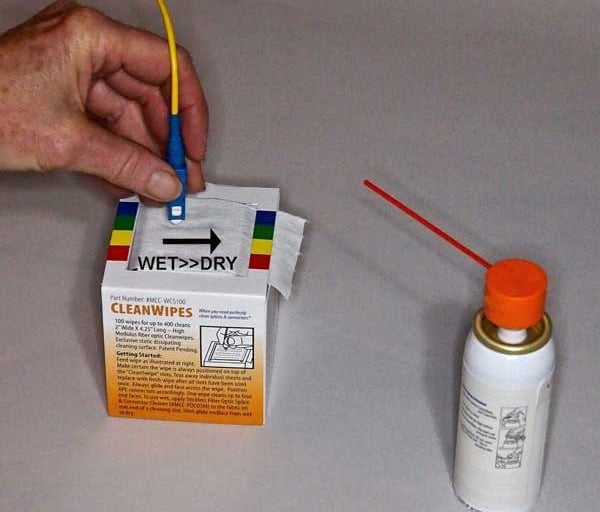
Proper cleaning methods have evolved with the development of specialised cleaning products. Initially, cleaning was mainly carried out using 99% isopropyl alcohol as the cleaning agent, with clean, lint-free wipes. The correct procedure involved wetting a wipe with alcohol and wiping the end of the connector’s pin several times, then drying it with a dry wipe. Without the drying step, the alcohol would evaporate and leave a residue. The alcohol had another problem: it was flammable.
A more convenient way to clean them would be to use pre-packaged wipes saturated with alcohol. When you are ready to clean the connectors, simply open the packet and take out a wipe. One or two quick wipes would clean the connector thoroughly. Once the wipe had started to dry, a proper wet/dry clean could be carried out. Medical wipes were not suitable, as they contained alcohol diluted in water.
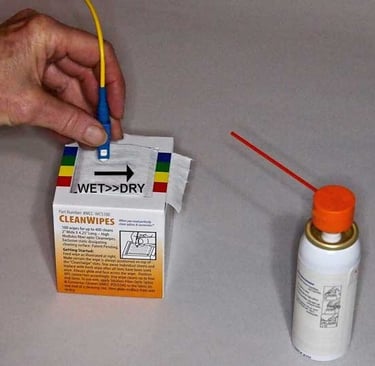
Suppliers of cleaning chemicals have quickly developed better cleaning products, many of which are derived from those used in the manufacture of electronic components. Most supply wipes packaged in a container such as this one, which holds a roll of wipes. There are numerous suppliers of cleaning solutions and kits designed specifically for optical fibers.
Dry cleaning products were developed that did not require solvents. The end of the connector was cleaned by passing it along a strip of special fabric in a cassette designed to clean the connector. Small, specialised swabs were developed to clean a single connector or to reach inside coupling adaptors or transceiver ports to clean hidden connectors.
Connectors other than standard ferrule connectors, such as SC or LC, require special cleaning tools and procedures. Manufacturers offer special cleaning products for matrix connectors such as MPO, expanded bundle and some military multi-fibre connectors.
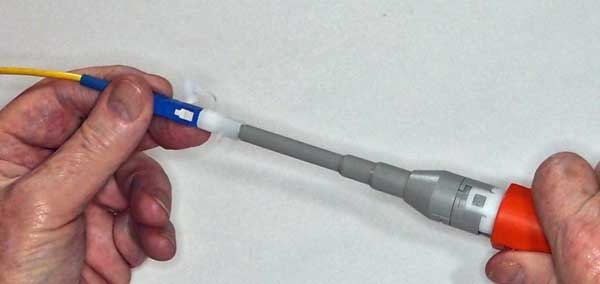
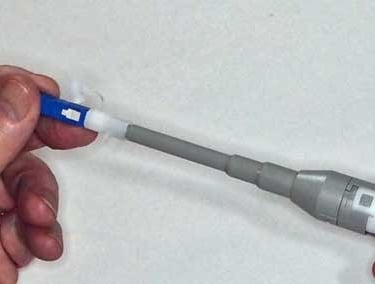
Cleaning just the ferrule end? Dirty connector bodies, such as the one shown above, can be cleaned using the swabs used to clean the interior of connector coupling adaptors. Insert the swab and clean around the ferrule and the connector body.
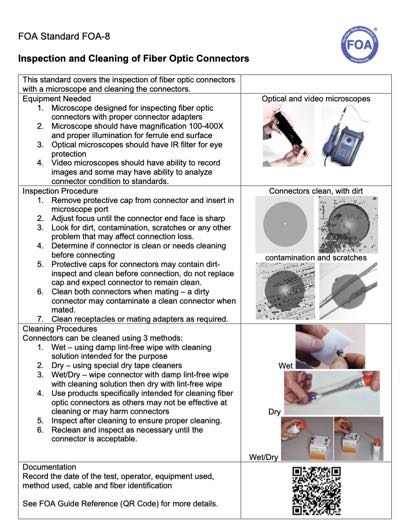
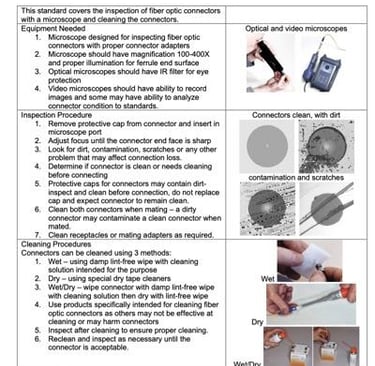
See the image below for the FOA (Fibre Optic Association) ‘Standard’
Traduzido com a versão gratuita do tradutor - DeepL.com
Traduzido com a versão gratuita do tradutor - DeepL.com