Wholesale prices direct from the exporter

Cabo Ethernet: Cat 5e, Cat 6, Cat 7 ou Cat 8?
Which network cable should I choose?
TIPSCUSTOMER SUPPORT
2/14/20252 min read
An Introduction to Ethernet Cables
Ethernet cables are essential components in the construction of computer networks, enabling data transmission between devices. There are currently several categories of cable available on the market, each with distinct characteristics and performance levels. In this article, we will explore the differences between Cat 5e, Cat 6, Cat 7 and Cat 8 Ethernet cables to help you decide which one to choose based on your specific needs.
Understanding Ethernet Cable Categories
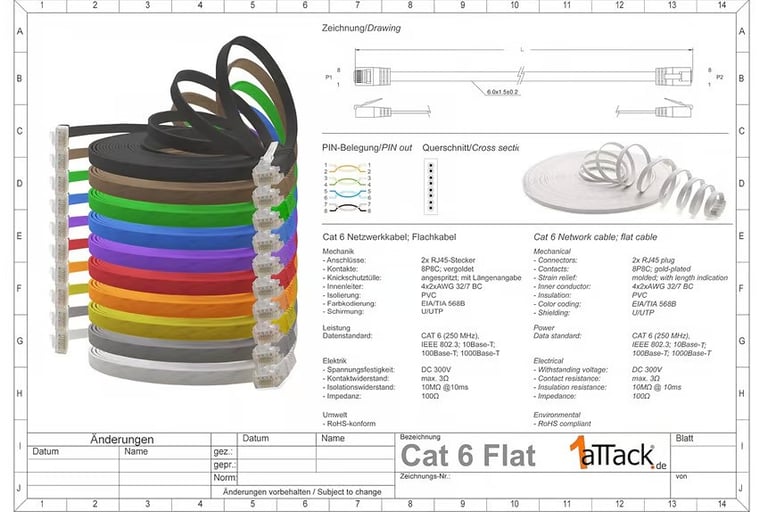
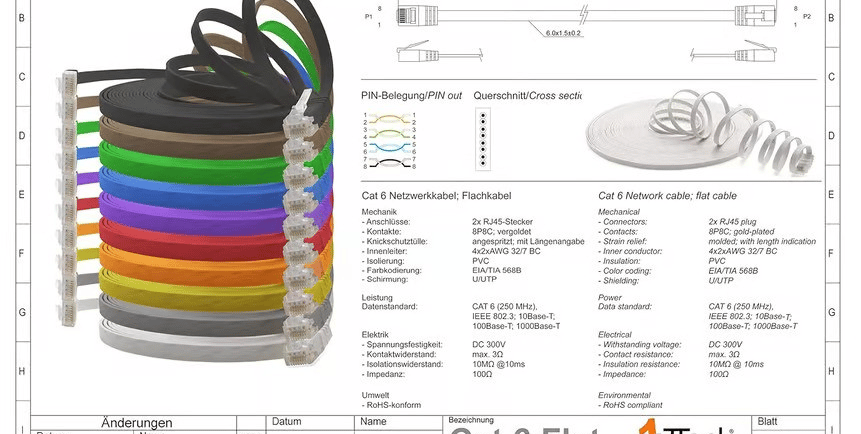
The terminology used to classify Ethernet cables is based on performance specifications and bandwidth. Cat 5e cable, for example, is an improved version of Cat 5, supporting a bandwidth of up to 100 MHz and transmission speeds of up to 1 Gbps, making it ideal for home networks. On the other hand, Cat 6 already offers a bandwidth of 250 MHz and can transmit data at up to 10 Gbps over short distances, making it more suitable for corporate environments.
As for Cat 7, this cable is designed for an even higher bandwidth, reaching 600 MHz, and supporting speeds in excess of 10 Gbps. Cat 7 cables also offer better shielding, resulting in less electromagnetic interference. Finally, Cat 8, the latest addition, supports a bandwidth of up to 2000 MHz and speeds that can reach 25 Gbps, making it ideal for data centres and applications requiring high data transfer capacity.
Which cable should I choose?
Choosing the right Ethernet cable will depend on several factors, including your available internet speed, your network configuration and how you intend to use it. For a home where activities are limited to web browsing, streaming and gaming, a Cat 5e or Cat 6 cable may be more than adequate. However, if you are operating in a corporate environment with high bandwidth requirements and many simultaneous connections, a Cat 7 or Cat 8 cable would be a better choice.
In addition to the categories, it is also important to consider the installation conditions. Environments that may experience significant electromagnetic interference would benefit from the use of shielded cables, such as Cat 7, to ensure greater integrity of the transmitted data.
Final thoughts
Choosing the right Ethernet cable is an important step in ensuring the efficiency of your network. Cables such as Cat 5e, Cat 6, Cat 7 and Cat 8 offer different levels of performance to suit a variety of needs. Assess your requirements and the environment in which the cable will be used to make the most appropriate choice. This will ensure a stable and fast connection for your day-to-day activities.